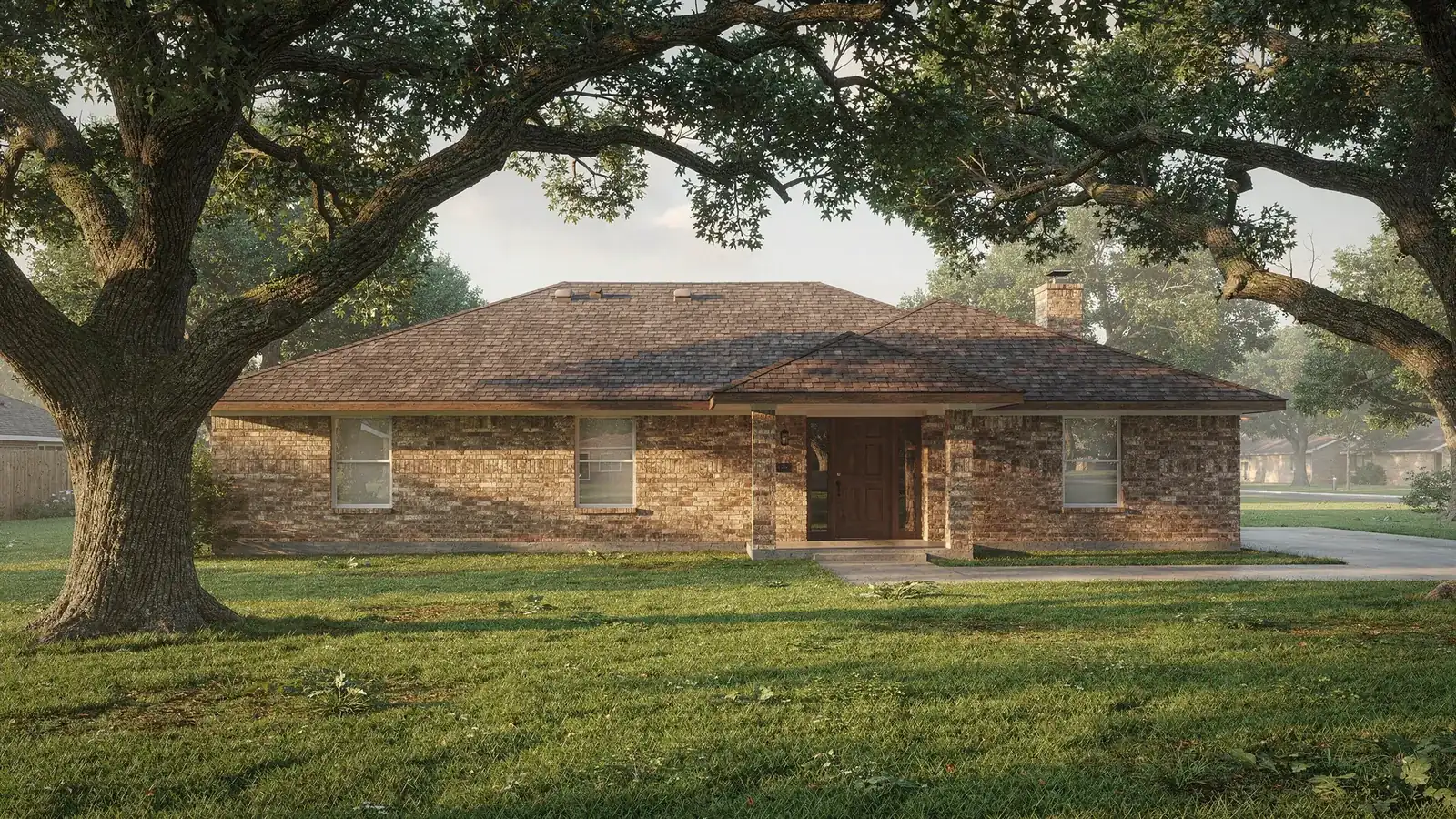
Roofing in College Station, Bryan and the Brazos Valley
Out west roofs get killed by hail. Here they mostly die slowly, of heat, damp and time, and that changes who pays and what you should be watching for.
- Local cost ranges, not national averages
- Why the black streaks on your north slope are not dirt
- Rentals and second homes treated as their own job
Four different jobs
What ends roofs in the Brazos Valley
Three hundred miles west of here a roof is destroyed in fifteen minutes. In the Brazos Valley it dies slowly, of heat, damp and time.
There is a habit of talking about Texas roofing as though the whole state has the same problem. It does not. Three hundred miles west of here, roofs are destroyed in fifteen minutes by hail and almost every job is an insurance job.
The Brazos Valley works differently. We get storms, and some years we get a hail event worth claiming, but the thing that actually ends most roofs here is slower: relentless heat working on asphalt, humidity working on everything underneath it, and organic growth that arrives quietly and is widely mistaken for dirt.
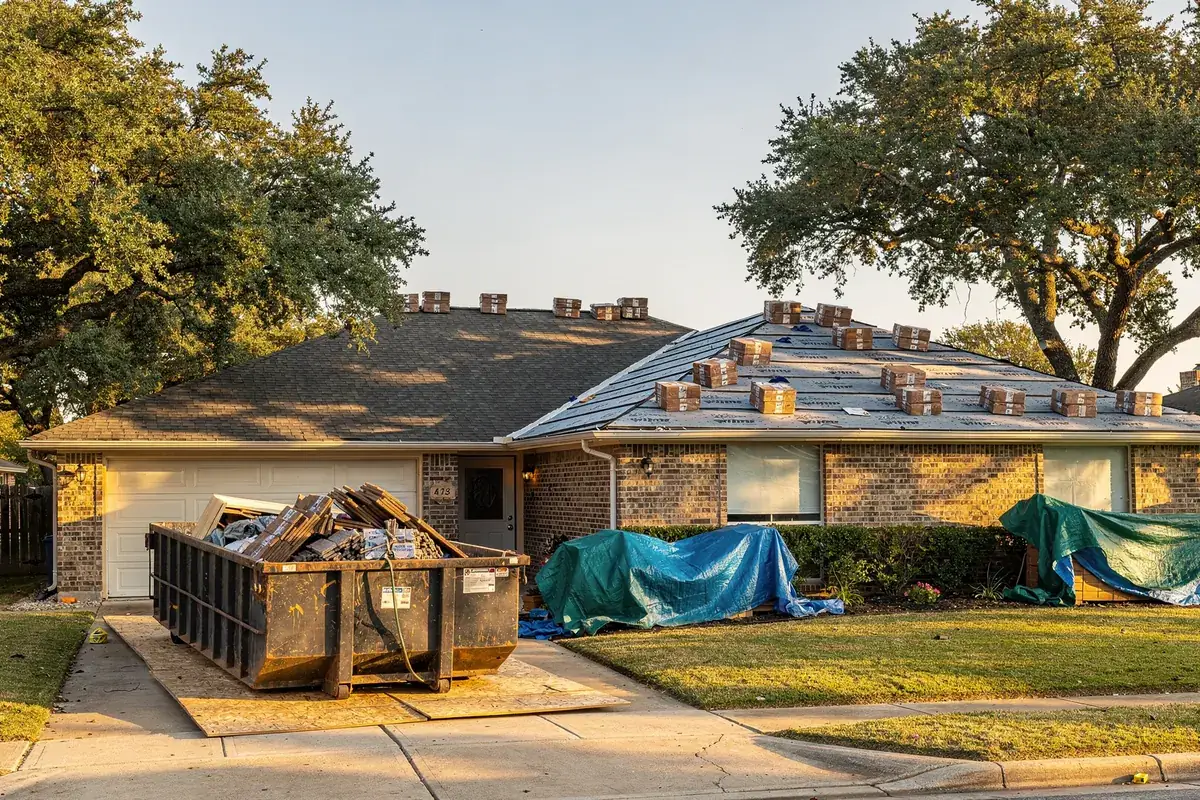
That difference matters to you for one very practical reason. Most roof replacements here are paid for by the homeowner, not an insurer. Which means the price is the price, comparison actually matters, and nobody is going to arrive and tell you it is free.
The four things people ring about
Heat and age, which is the honest majority. Leaks, which are almost always a detail rather than the roof. Storm damage, which here is more often wind and debris than hail. And the streaks, which get their own explanation below because everybody asks.
Those black streaks are alive
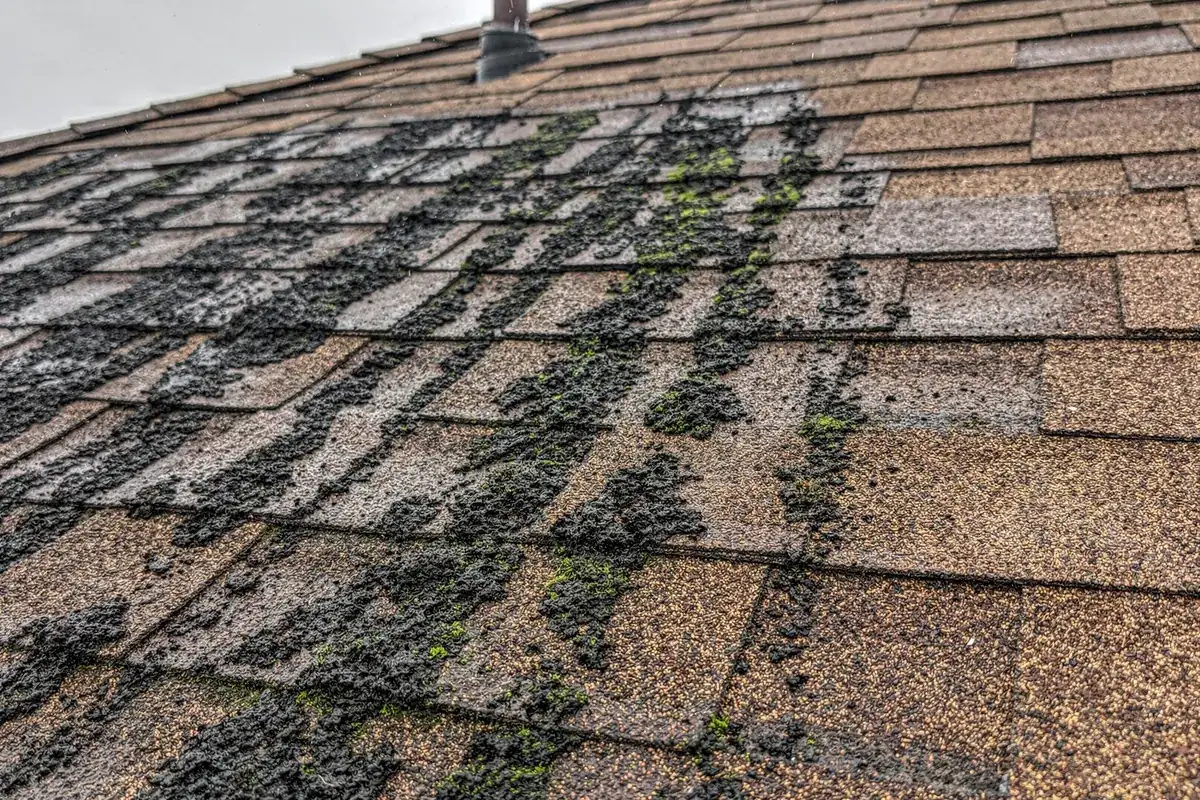
The dark stains running down the north facing slopes of half the roofs in Bryan and College Station are not dirt, not soot and not granule loss. They are algae, a hardy organism that feeds partly on limestone filler in asphalt shingles and thrives where it is warm and humid and the sun does not dry the surface. North slopes get it first because they stay damp longest.
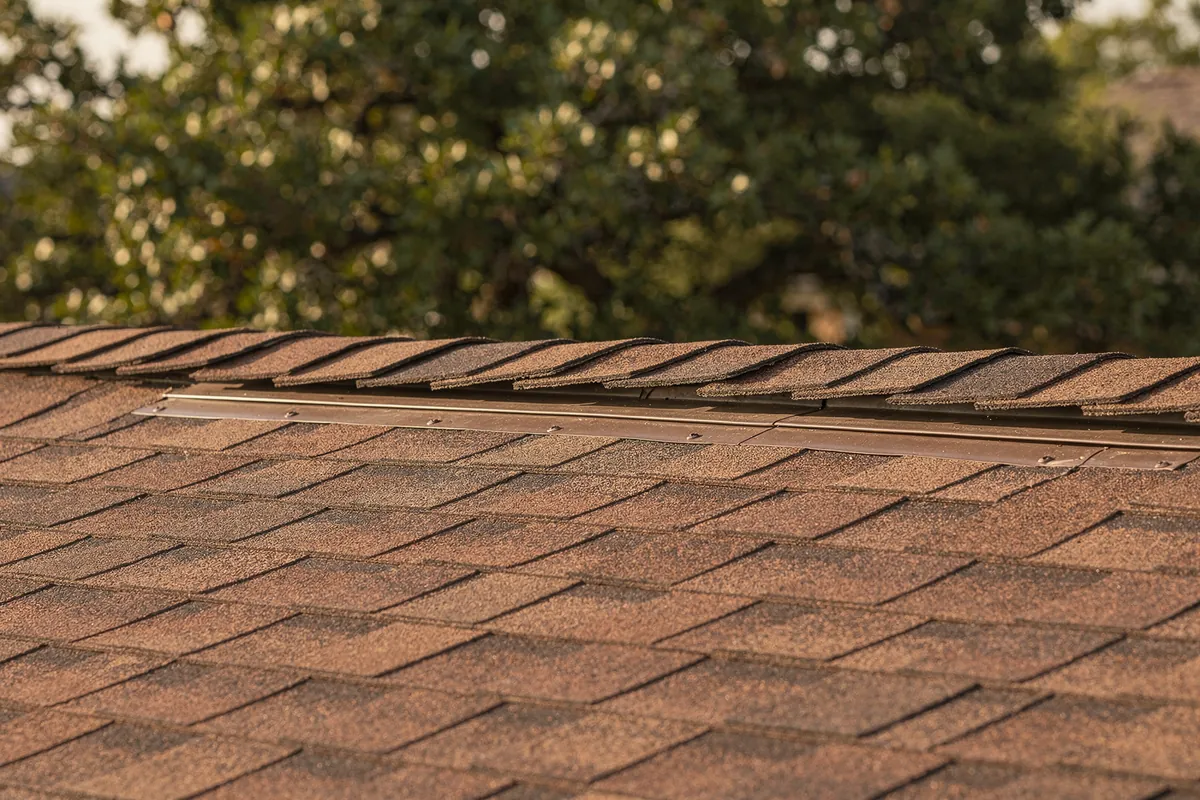
It is mostly cosmetic. It does not usually shorten the life of a roof in the way homeowners fear, and a roof covered in it can have years left. But it is worth knowing two things: it can be cleaned, carefully and at low pressure by somebody who will not strip the granules off doing it, and it can be prevented on the next roof by choosing shingles with copper granules in them or by running a zinc or copper strip at the ridge.
If you own rentals
A significant share of the housing here is rented, and a rental roof is genuinely a different job: different timing, different insurance, different consequence when it goes wrong at the wrong moment. There is a page for that.
Who you reach when you call
The number on this page goes to an independent roofing company that works the Brazos Valley. They look at the roof, price it and contract with you directly. Nobody from here will ever knock on your door.
Tell us about the roof
Send the details and they go to one independent roofing company that works your part of the valley. Landlords, say so in the message and we will route it to somebody used to tenants and turnarounds.
Rather talk it through? (979) 347-5033
Where we cover
The Brazos Valley runs from the university out into farm country, and the housing could hardly be more different at the two ends.